
Waiting for a Chance
An AI-assisted short film about childhood cancer, inequality and the wait for life-saving treatment.
An AI-assisted short film about childhood cancer, inequality and the wait for life-saving treatment.
Role
Concept Development · Visual Direction · AI Image Generation · Animation Direction · Voice & Music Direction · Editing · Narrative Development
Concept Development · Visual Direction · AI Image Generation · Animation Direction · Voice & Music Direction · Editing · Narrative Development
Tools
Freepik AI · Kling · ElevenLabs · Post-production
Freepik AI · Kling · ElevenLabs · Post-production
Project Overview
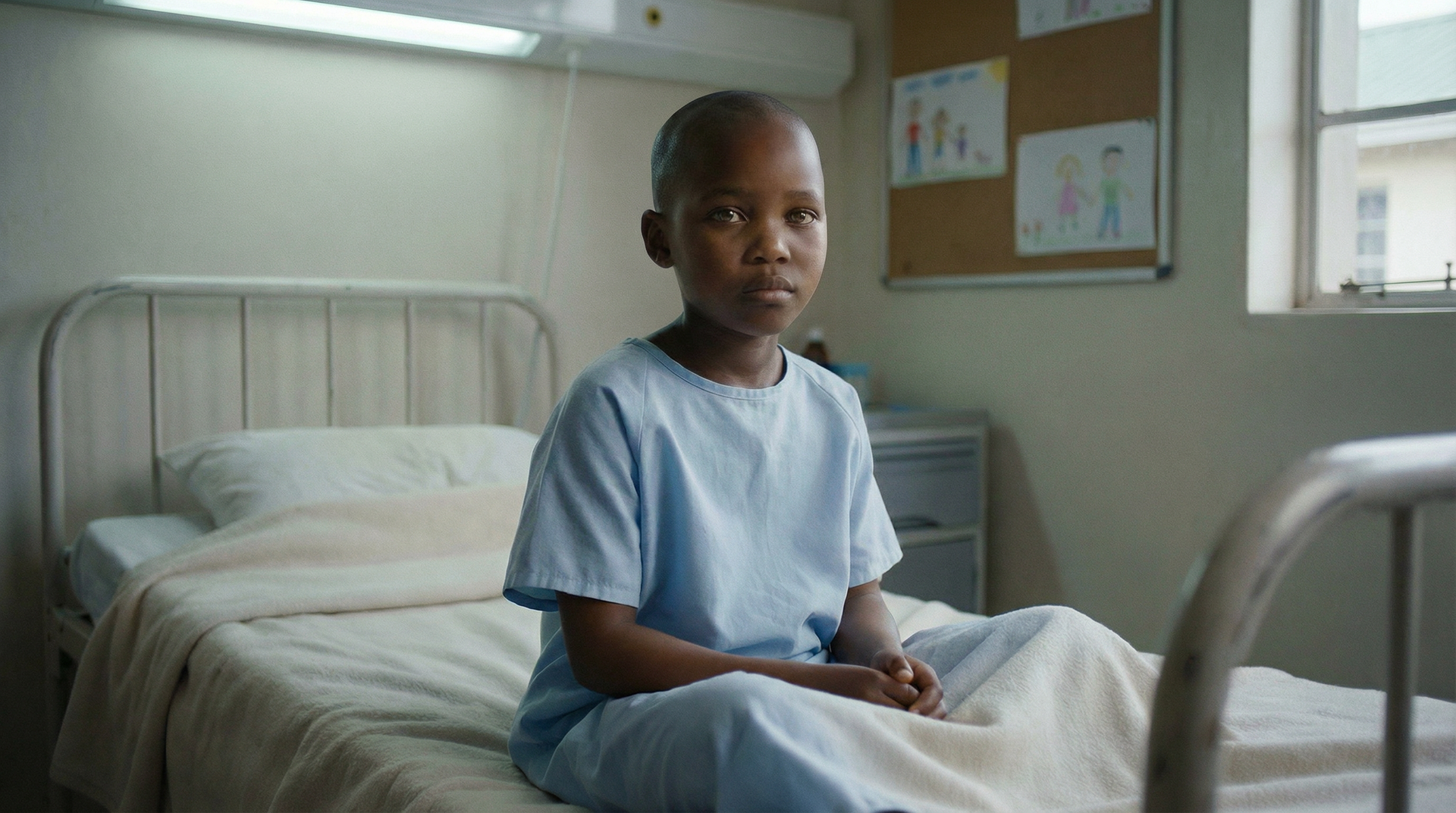
Waiting for a Chance is a short AI-assisted film created for an AI for Good submission. The film tells the story of Amina, an 8-year-old girl from Malawi waiting for the treatment that could save her life.
Through a quiet and restrained visual language, the piece contrasts childhood, vulnerability and absence to highlight an unjust reality: many childhood cancers can be cured, but not every child has equal access to the treatment they need.
The project uses AI as a storytelling tool to create emotional awareness around healthcare inequality, without relying on shock or exaggeration.
Visual Direction
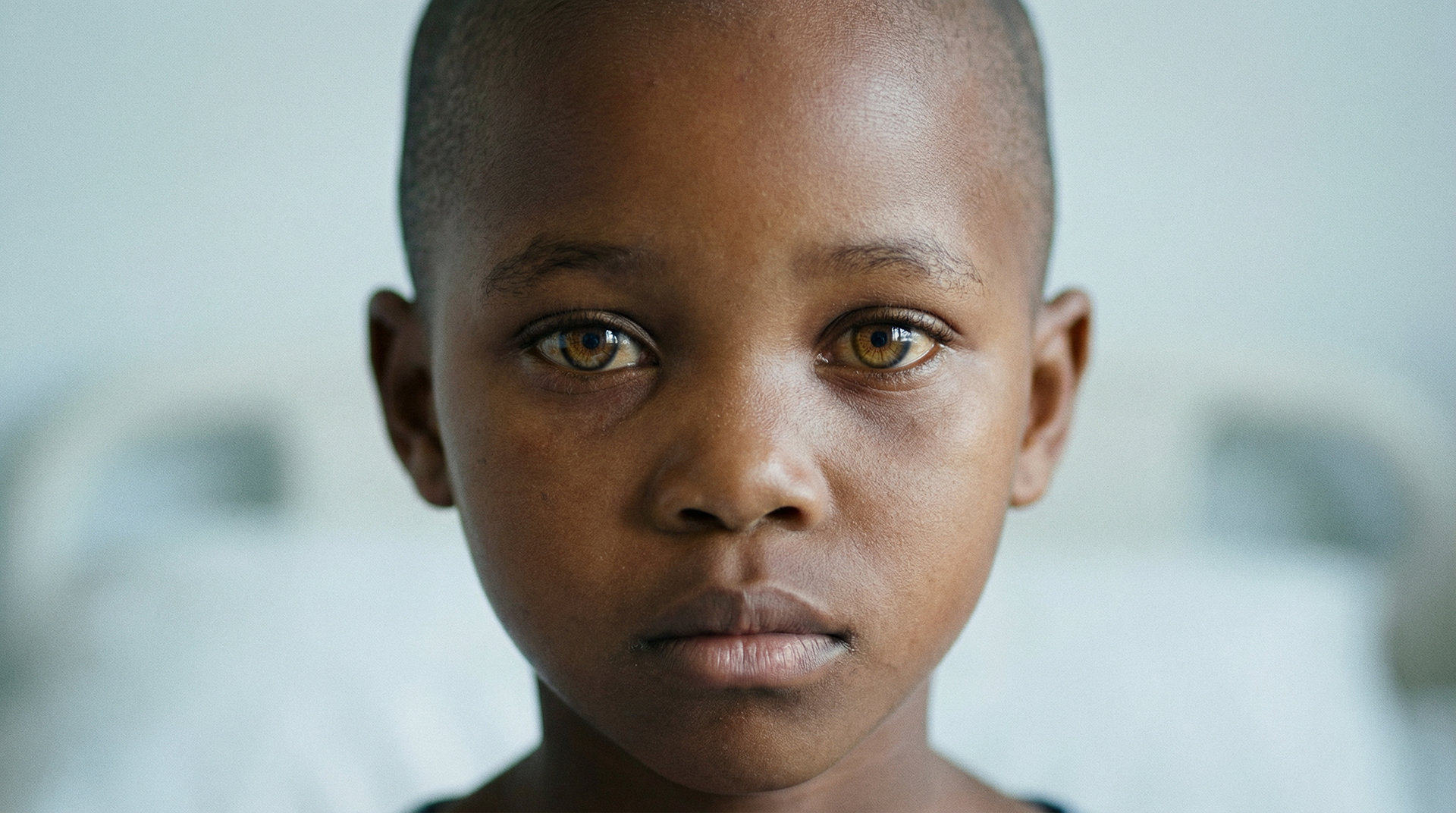
The visual direction is quiet, intimate and restrained. The goal was to avoid melodrama and create a tone that feels respectful, human and emotionally honest.
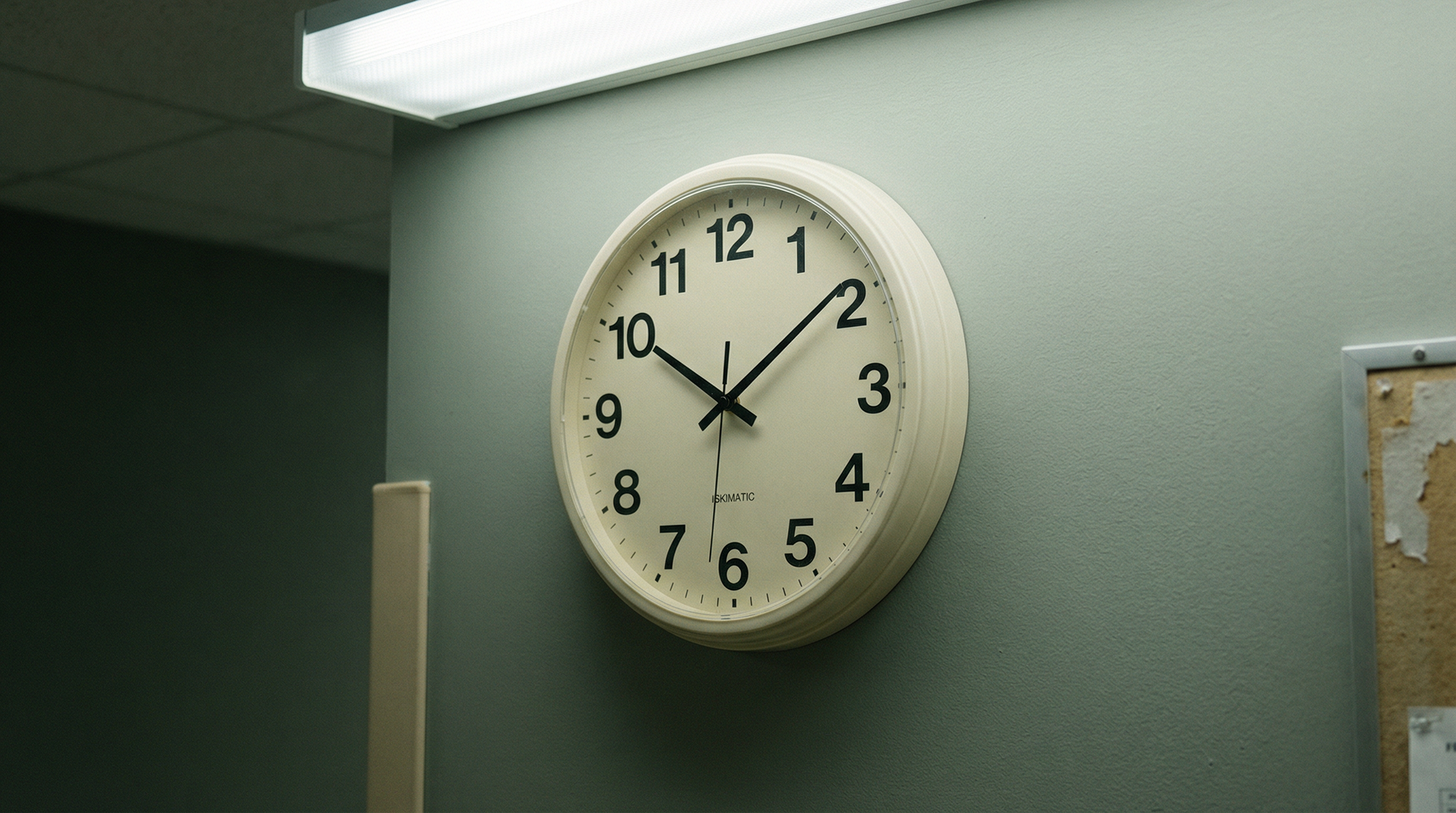
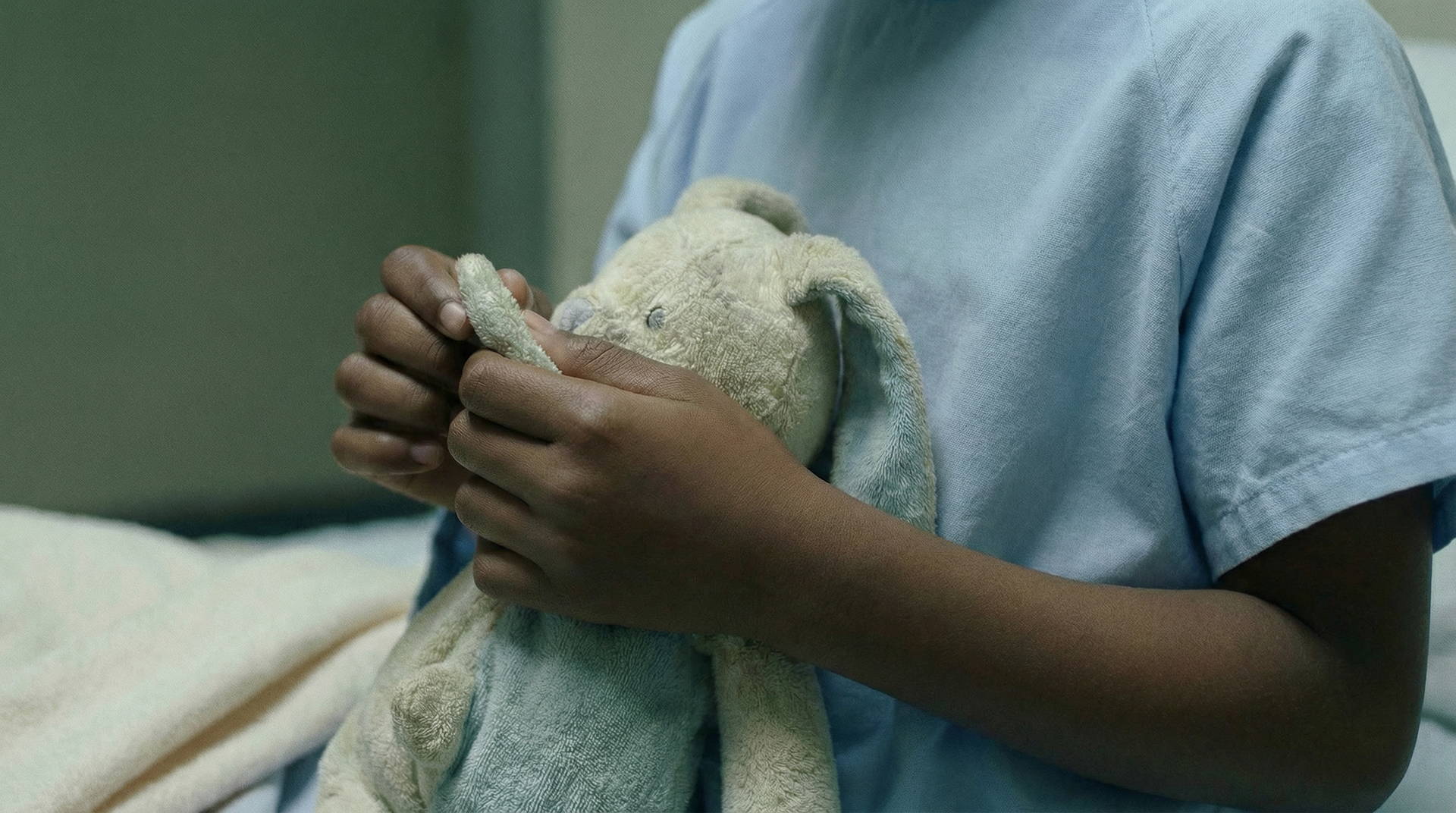
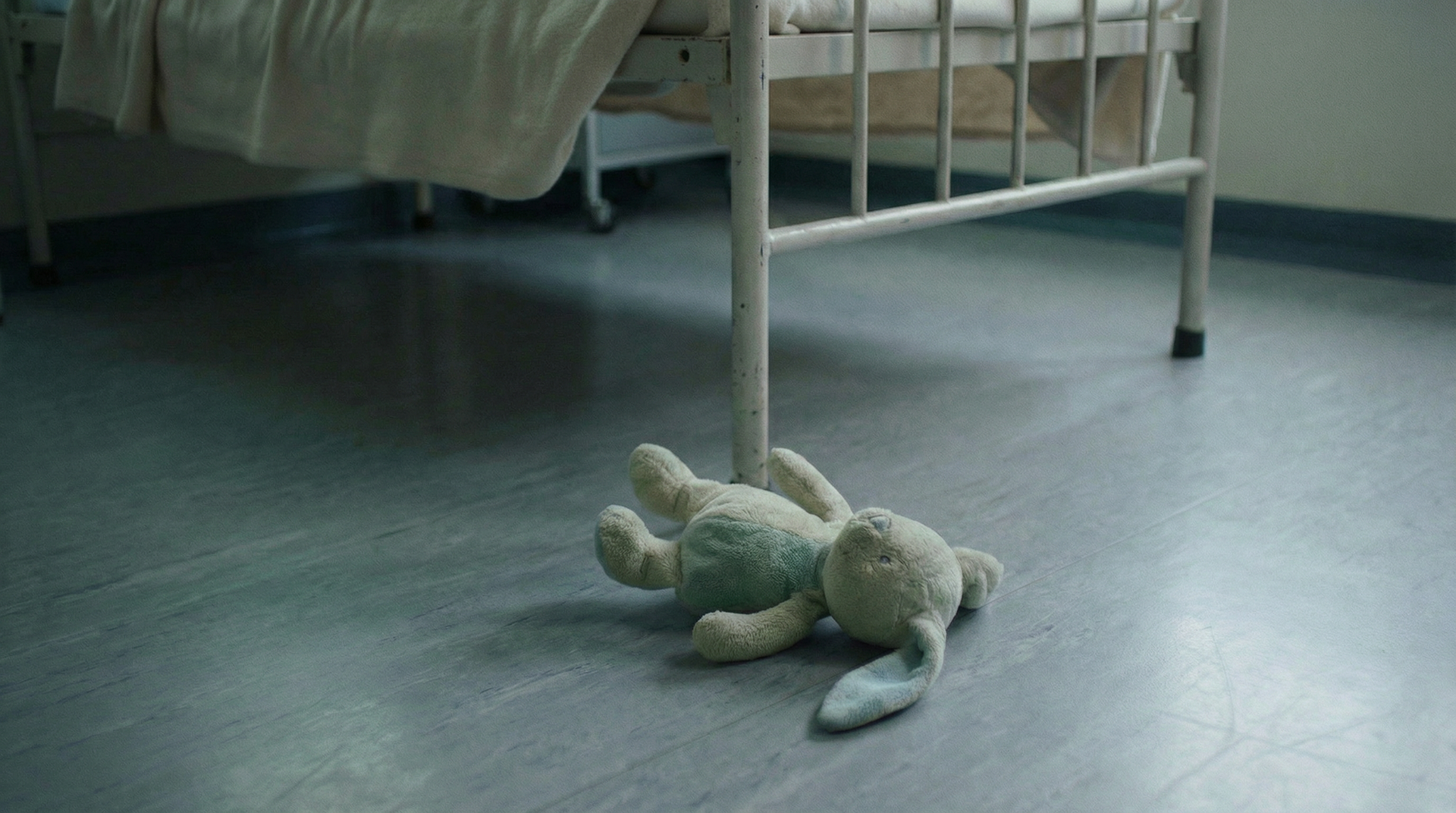
The film uses soft natural light, muted colors and simple compositions to keep the focus on Amina’s presence and absence. The camera stays close to small details: hands, bedsheets, hospital corridors, windows, drawings, waiting rooms and moments of stillness.
The world is not overly dramatic. It is ordinary, which makes the story more painful. The emotional tension comes from what is missing: treatment, certainty, time.
Visual keywords
Quiet · Human · Restrained · Vulnerable · Hopeful · Intimate · Realistic · Respectful
Quiet · Human · Restrained · Vulnerable · Hopeful · Intimate · Realistic · Respectful
AI Workflow
The images were created with Freepik AI, focusing on maintaining visual and narrative consistency across the film. Each frame was generated with attention to character continuity, lighting, tone and emotional restraint.
The animation and camera movements were created in Kling, using subtle motion to preserve realism and avoid distracting from the story. The movement was intentionally minimal: slow pushes, gentle transitions and quiet cinematic pacing.
The voiceover and music were generated with ElevenLabs, with a focus on softness, clarity and emotional control. The final edit and assembly were completed in post-production, where pacing, rhythm and sound were refined to support the message.
Sound & Voice Direction
The voiceover was directed to feel calm, intimate and honest. It does not overexplain the issue, but gently guides the viewer through Amina’s waiting.
The music was kept minimal and emotional, supporting the atmosphere without overwhelming it. Silence and pauses were important parts of the sound direction, allowing the images to breathe and giving weight to the subject matter.
Ethical Approach
Because the project deals with childhood illness and inequality, the creative direction focused on respect and restraint. The aim was not to create shock value, but to build empathy through dignity.
AI was used carefully to visualize a fictionalized story inspired by a real global issue. The film avoids graphic representation and instead focuses on absence, waiting and the emotional reality of unequal access to care.